Maxville Townsite Tours
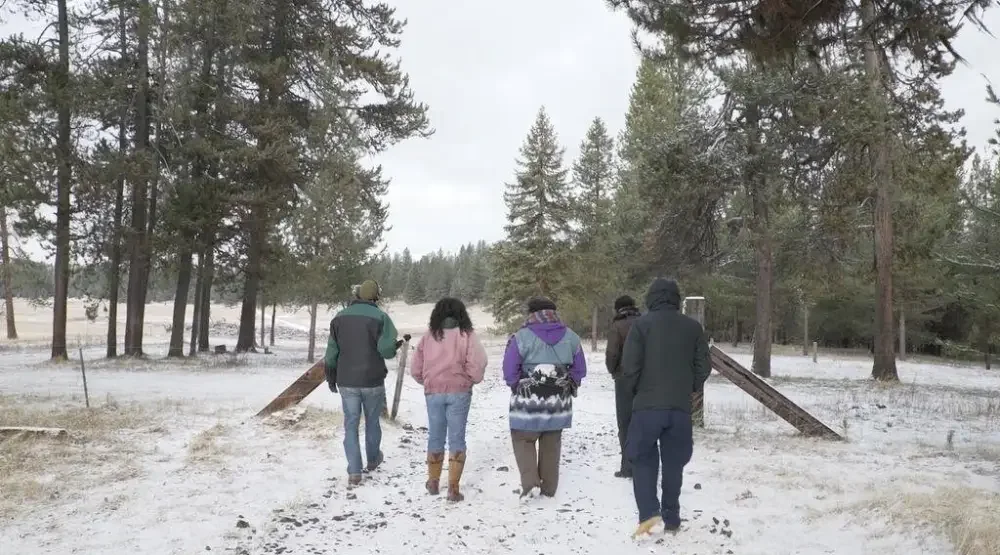
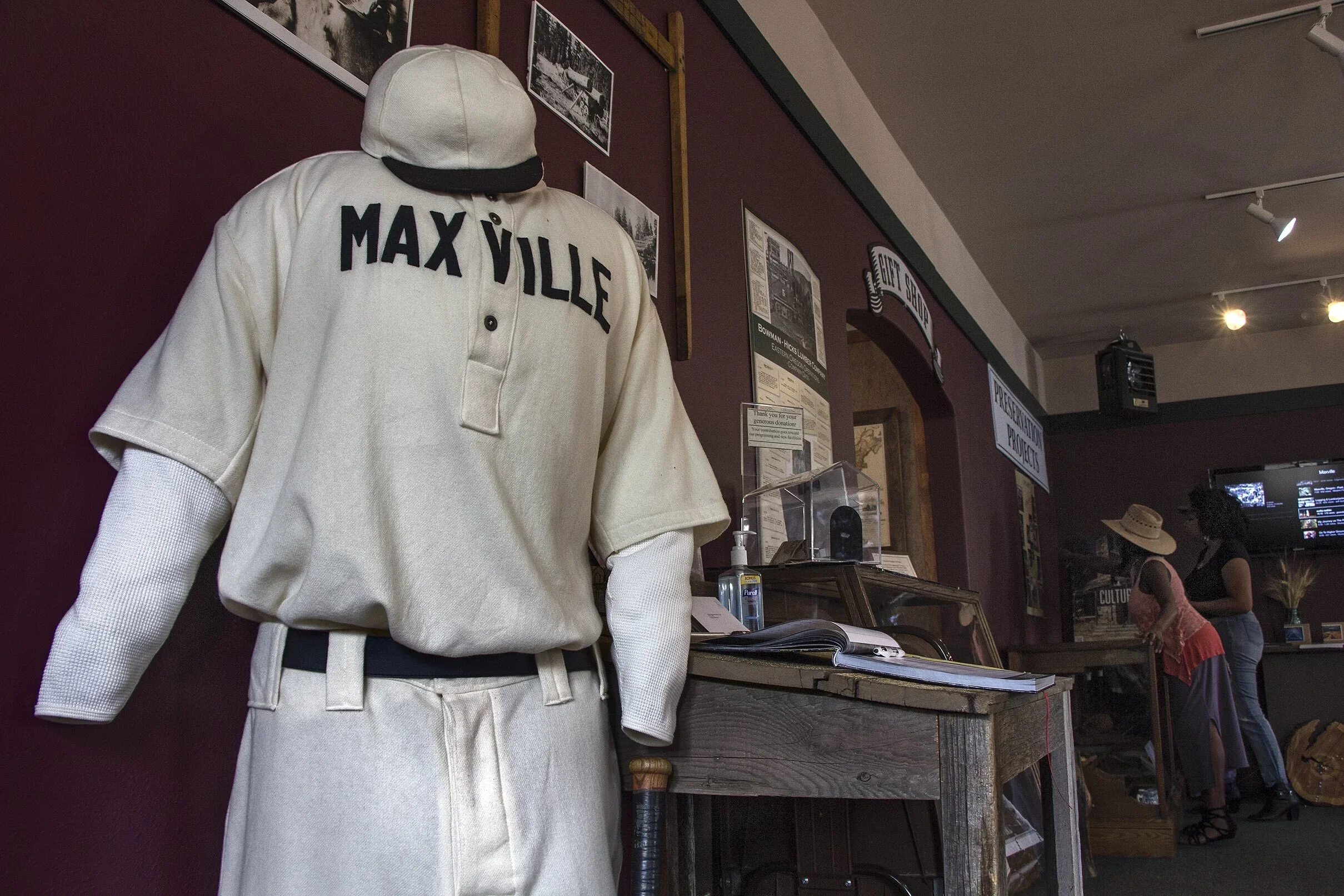
Maxville, nestled in Wallowa County, about 13 miles north of the town of Wallowa in the state’s upper right-hand corner, was once home to about 400 residents. In its heyday, between 1924 and 1933, it was the largest town in the county. Maxville was a timber town—like so many towns in the Pacific Northwest— but, unlike most timber towns, it was home to both African American loggers and white loggers.
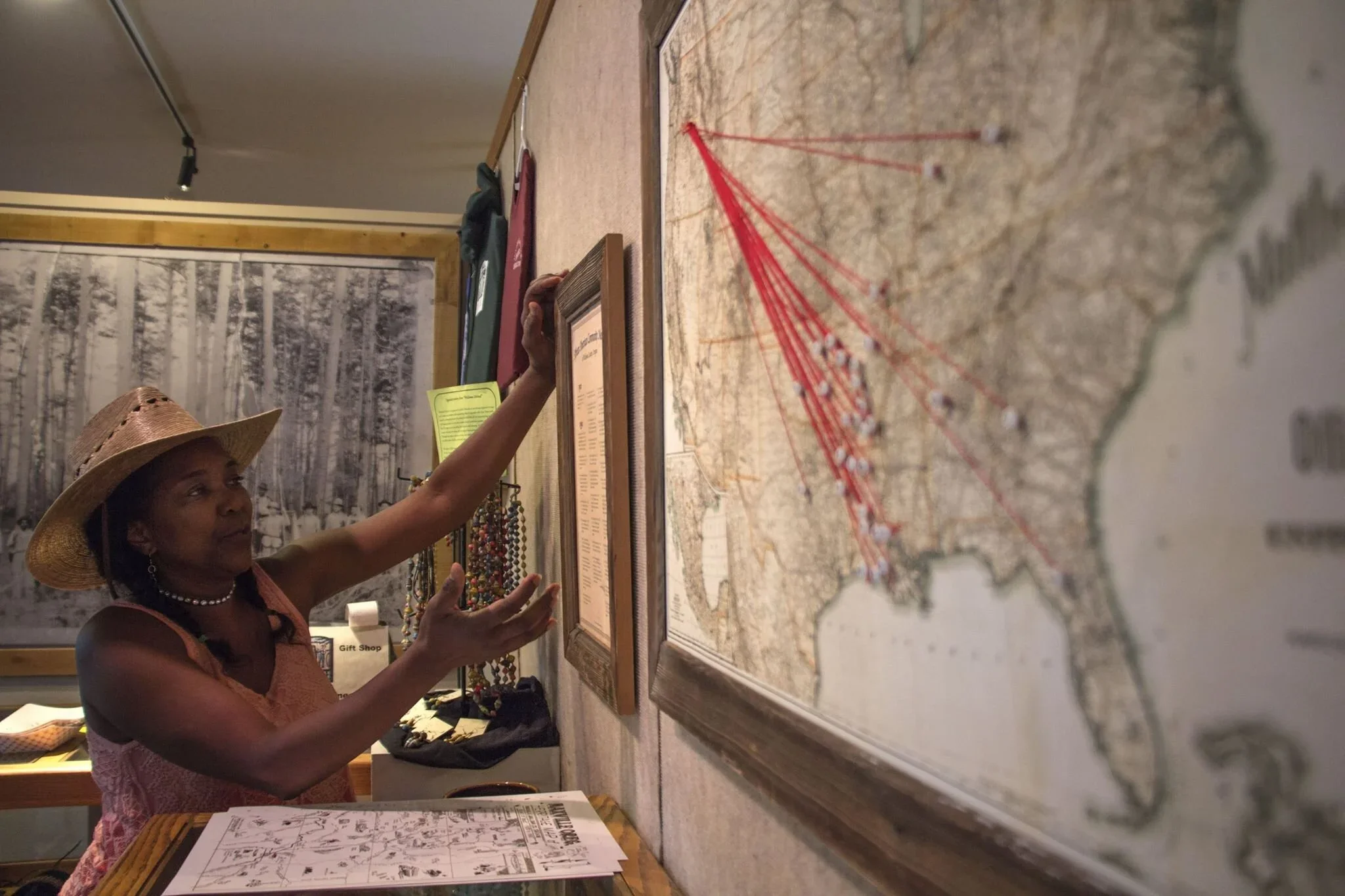
In the early 1920s, the loggers and their families came to Maxville from the South and the Midwest in search of work. The Bowman-Hicks Lumber Company, which owned the town at that time, brought the Black workers and their families to Maxville even though Oregon’s exclusion laws prohibiting “free Negroes” from moving to the state to live and work, and the current governor, Walter M. Pierce, was likely a member of the Ku Klux Klan.
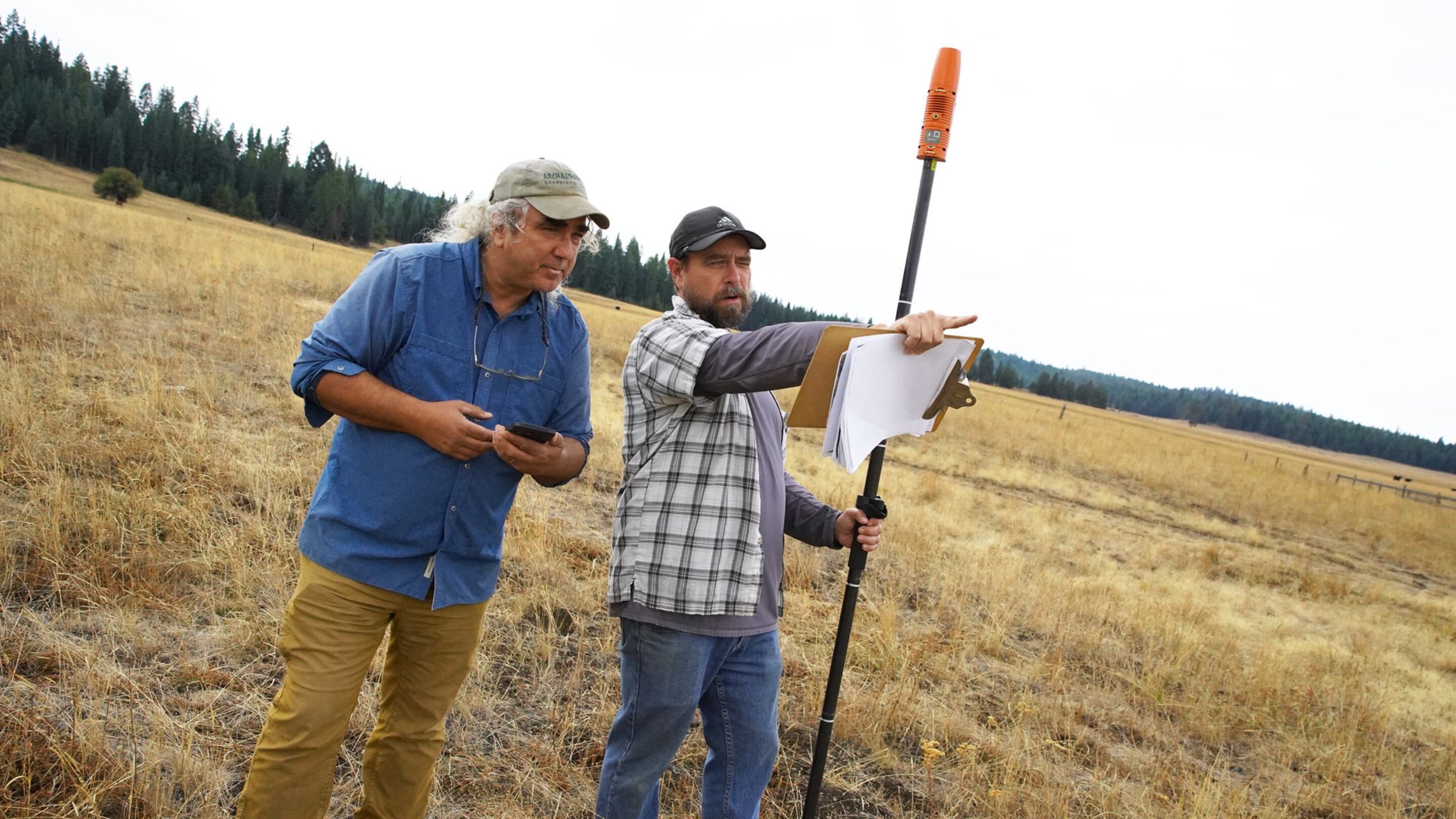
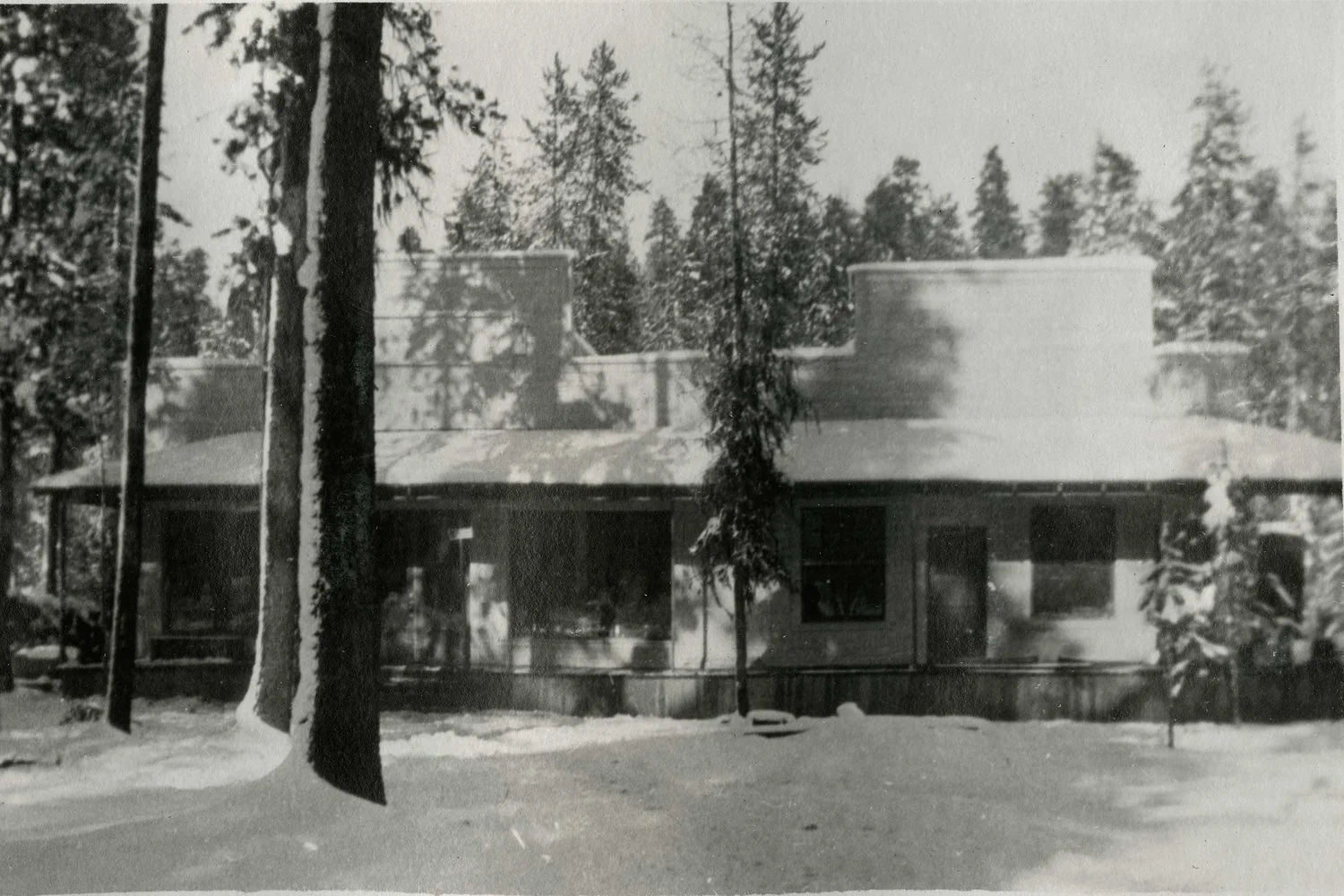
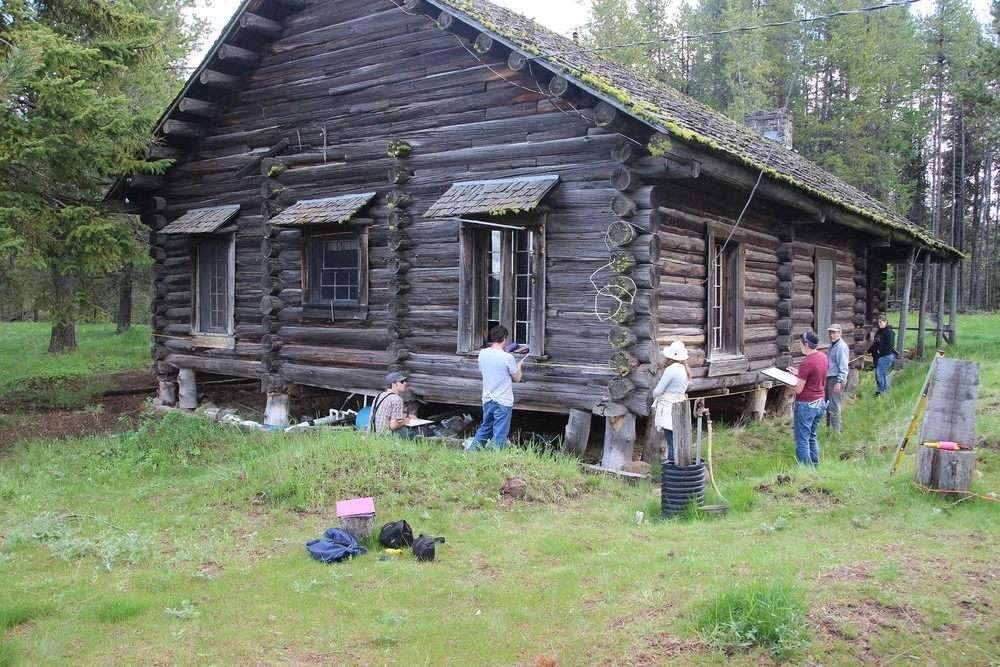
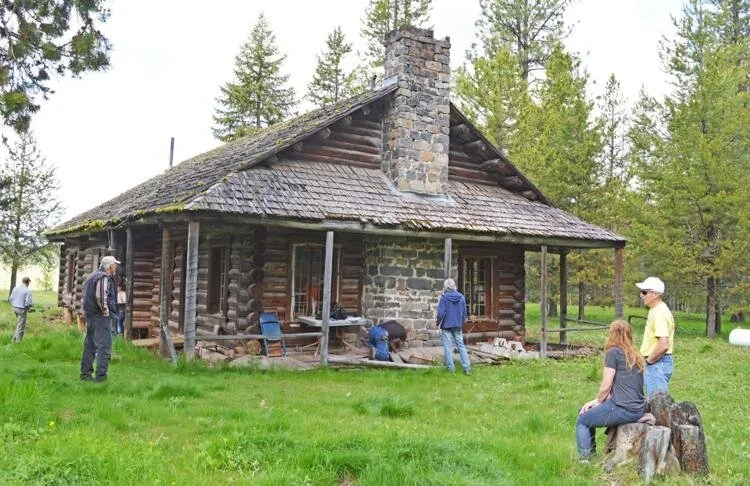
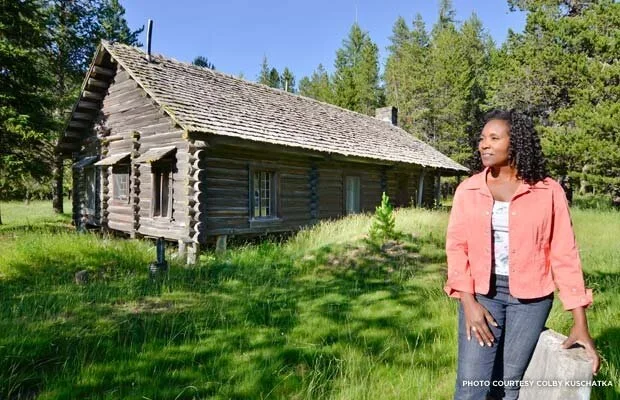
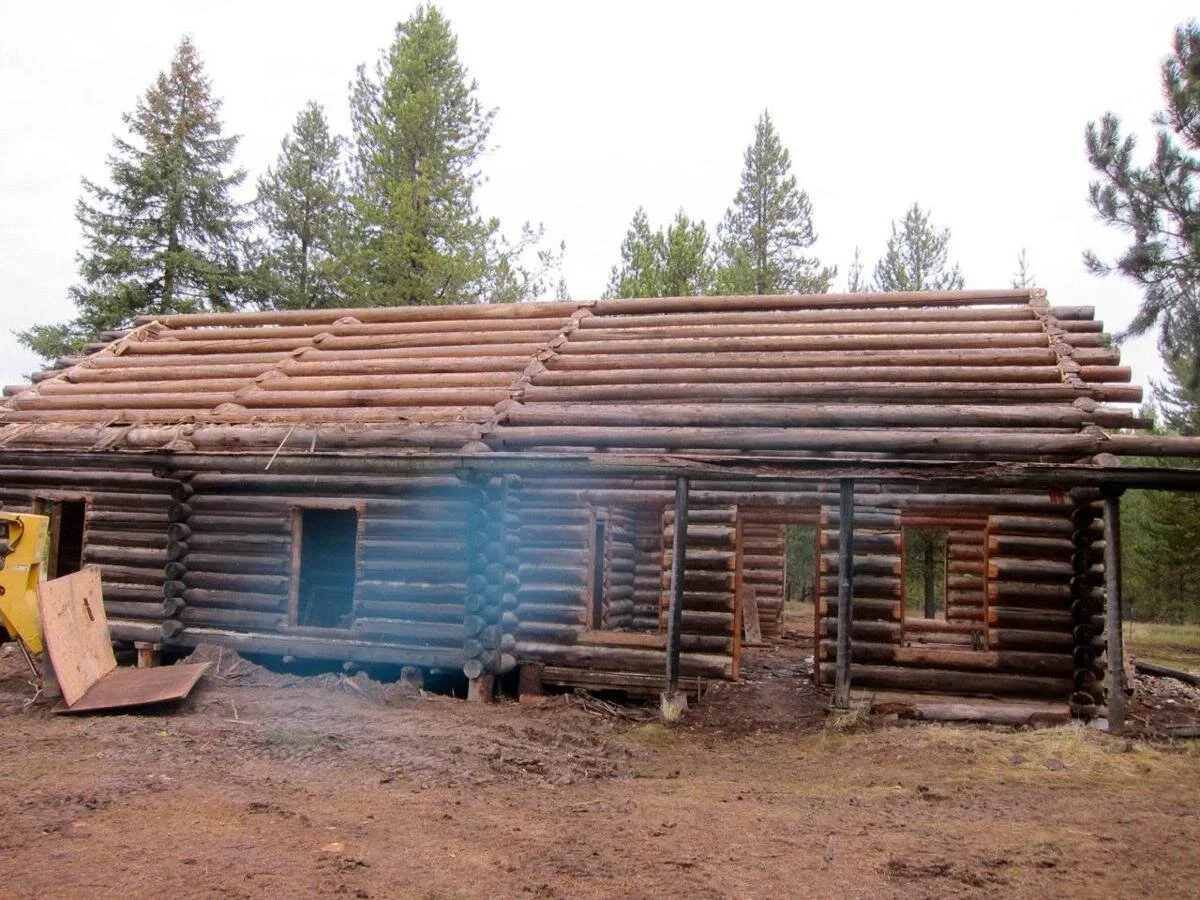
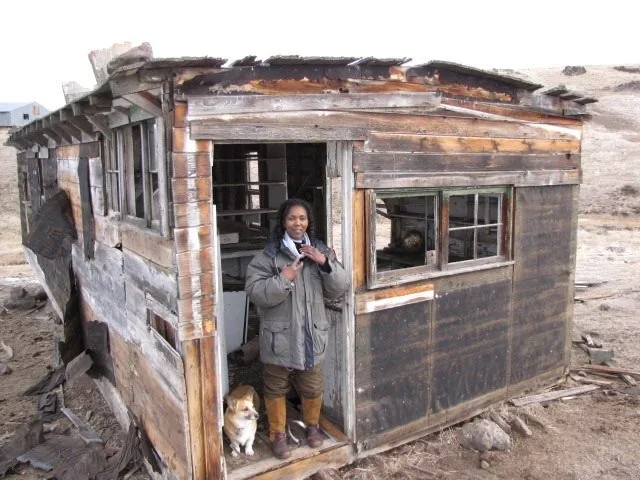
Fortunately, remnants of the site can still be seen. Roads, railroad grades, the logging pond, and springs are still evident. A decaying railroad trestle, some 60-feet tall, rests on tall pines that have grown within its midst. The remnants of metal pipes, foundations, and ceramic plumbing are still visible, along with fragments of broken china and colored glass, some with recognizable patterns and partial manufacturer names. Just one structure remains—a large log building where the Bowman-Hicks Lumber Company ran the business and which also served as a meeting place for Maxville residents.
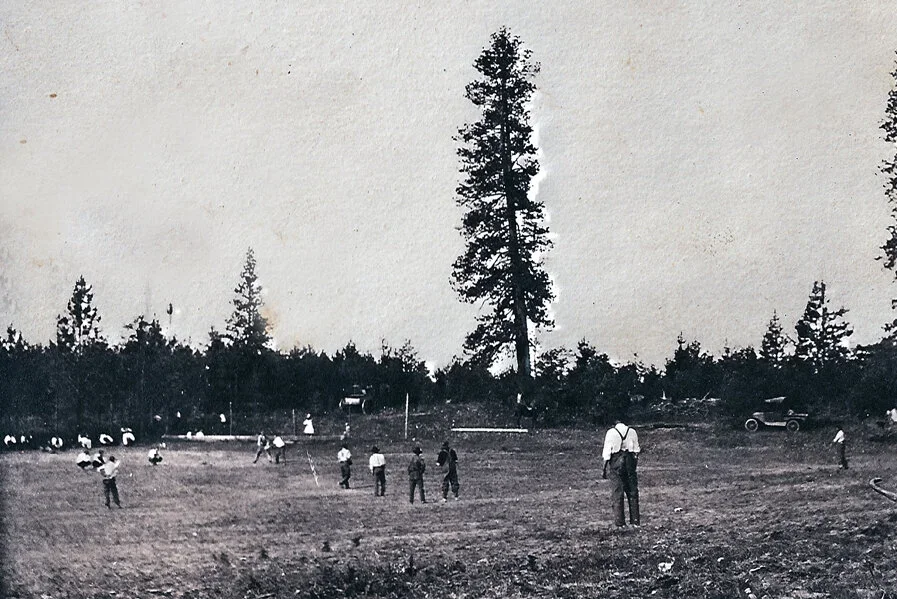
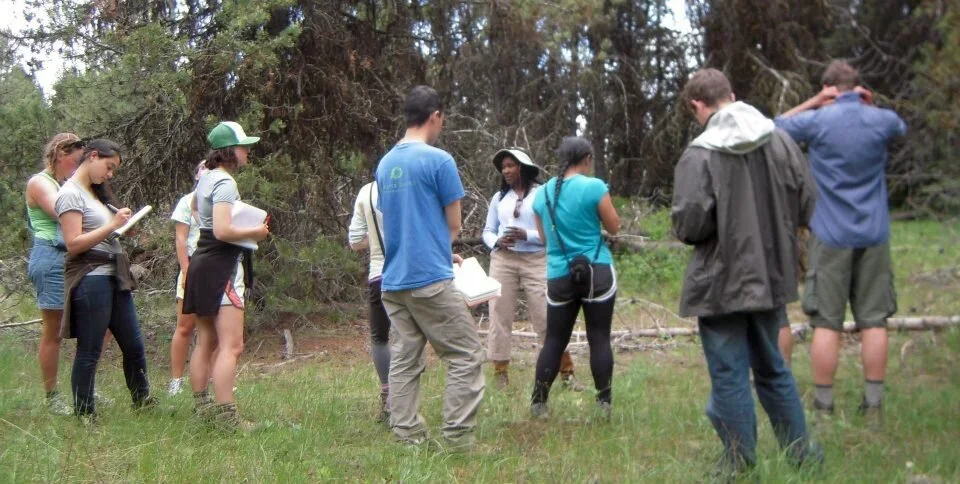
The landscape also reveals clues about Maxville’s early years, such as what types of plants were native to the area and what types of plants were introduced. Was there a graveyard? Or maybe two, one white and one African American? Exactly where were the homes, the baseball diamond, the swimming hole, and the water towers that supplied the steam engines?
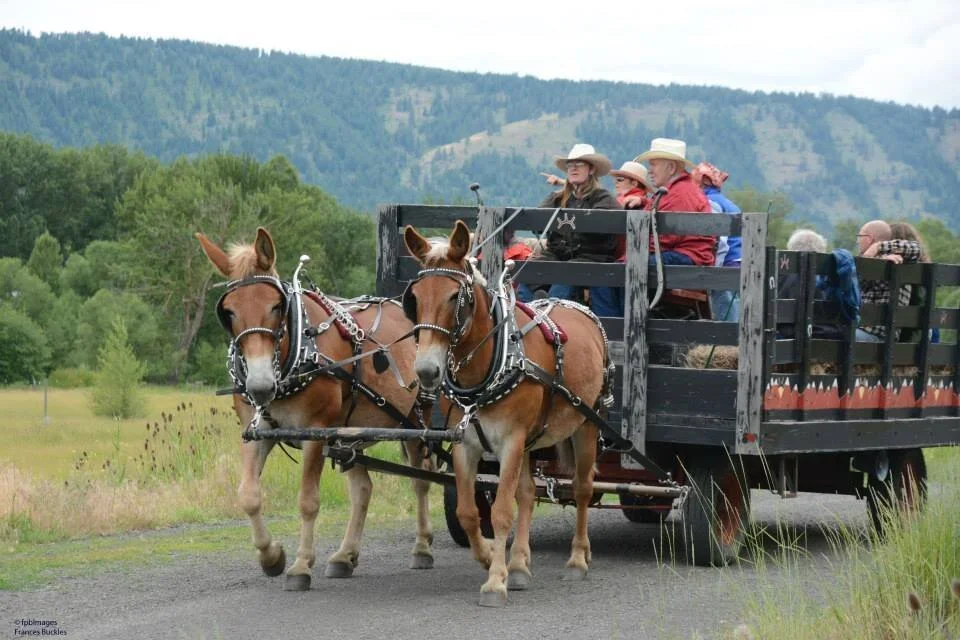
Access to the Maxville site is
currently limited to tour bus only.
For more information call:541-426-3545
or email:events@maxvilleheritage.org